Tuscany, Italy
Vineyards, villages & slow mornings
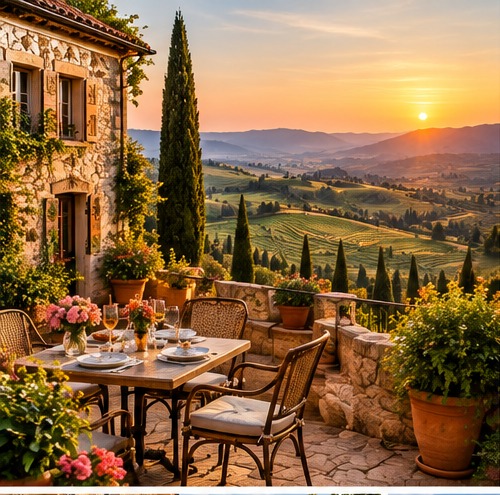
Tuscany is a landscape of Renaissance cities, hill towns, vineyards, olive groves and a deeply rooted culture of taking time over food and conversation.

Culture
Florence, Siena, Lucca and smaller hill towns make Tuscany feel like an open-air history book. Renaissance art, Roman and medieval layers, craft traditions and the rhythm of village life remain central to the region.

Cuisine
Tuscan cooking is famously ingredient-led: ribollita, pappa al pomodoro, panzanella, fresh pasta, pecorino, beans, olive oil and grilled meats. Food is closely tied to farms, markets, vineyards and seasonal produce.

Festivals
Look for the Palio in Siena, historic processions, local food and wine festivals, summer concerts and town celebrations. Many smaller towns have their own annual sagre celebrating a local ingredient or tradition.

Finance
Italy uses the euro. Tuscany ranges from premium stays in Florence and luxury countryside resorts to affordable agriturismi and family-run guesthouses. Cards are widely accepted, while some small purchases and rural businesses may still prefer cash.

Technology
Tuscany is not only medieval streets: Florence has a modern creative and university ecosystem, while tourism increasingly uses digital ticketing, mobile transport tools, online reservations and technology-supported heritage experiences.

Fashion
Florence is one of Italy’s historic fashion and leather centres. Expect beautiful leather goods, tailoring, artisan accessories and an understated Italian approach to quality and craftsmanship.

Lifestyle
The Tuscan lifestyle is strongly connected to outdoor living, long lunches, walking, cycling, thermal wellness, local markets and the idea of enjoying ordinary moments rather than rushing through them.

Nightlife
Florence offers wine bars, aperitivo spots, live music and late dinners. Smaller Tuscan towns are quieter, with evening piazzas, summer concerts and intimate enotecas rather than a club-heavy scene.